

Articles
Your one stop shop for all your health and safety resources
Women in Safety: How Diverse HSE Leadership Improves Workplace Safety Outcomes

Women in Safety Week is an important opportunity to recognize the growing impact of women in health, safety, and environment roles. It is also a chance to highlight a broader truth: diverse safety leadership can improve workplace safety outcomes.
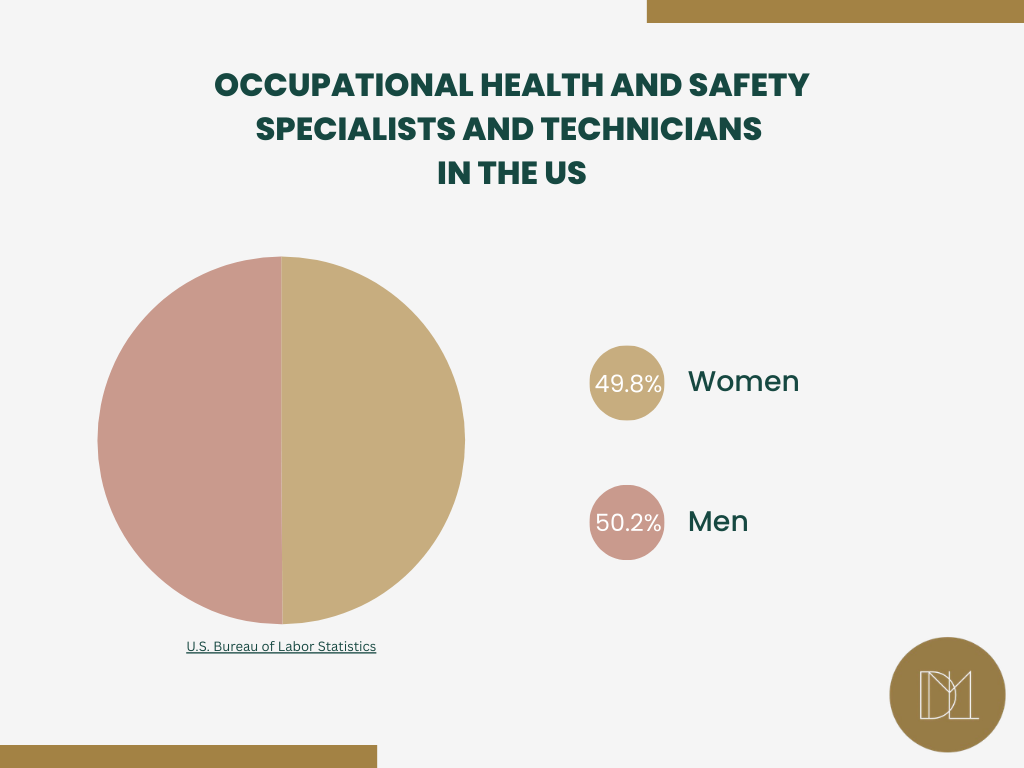
Across industries, more women are entering leadership positions in occupational health and safety, environmental management, industrial hygiene, risk management, and emergency response planning. In the United States, women now make up 49.8% of occupational health and safety specialists and technicians, according to the U.S. Bureau of Labor Statistics. That figure shows how significantly women are contributing to the safety profession and how the face of HSE leadership is continuing to evolve. (Bureau of Labor Statistics)
Why Women in Safety Leadership Matters
For many years, leadership roles in operational safety and HSE were heavily male-dominated. Today, that is changing. More organizations are recognizing that increasing representation in HSE leadership is not only good for diversity, but also good for business performance, workforce culture, and workplace safety.
When women hold visible leadership roles in safety, it can strengthen trust across the workforce and improve how safety messages are received. Representation sends a powerful signal that different perspectives are valued and that safety leadership is evolving to reflect the people it serves.
This matters because effective workplace safety leadership is about more than enforcing rules. It is about influencing behavior, building trust, encouraging communication, and creating an environment where workers feel comfortable speaking up.
There is also growing research linking women in senior leadership to stronger safety performance. A 2025 study published in the Journal of Management Studies found a negative relationship between the prevalence of women executives in firms’ top management and workplace safety violations. The study also found that this relationship was stronger when firms had greater board gender diversity and when institutional investors supported gender diversity. (Wiley Online Library)
Key Strengths Women Bring to HSE Leadership
Women in safety leadership often contribute valuable strengths that support stronger health and safety performance and a more resilient organizational culture.
Collaborative Leadership in Safety Management
A collaborative leadership style is one of the most important drivers of modern safety management. Many women leaders emphasize consultation, teamwork, and engagement, all of which are essential for effective HSE systems.
When workers are included in discussions about hazards, procedures, and solutions, they are often more invested in safety outcomes. This improves participation and helps create a shared sense of responsibility for workplace safety.
Stronger Safety Communication
Clear communication is central to every successful health and safety strategy. Diverse leadership teams often improve communication across departments, levels of seniority, and job functions.
Women in leadership roles may help organizations strengthen how safety information is shared, how concerns are raised, and how feedback is handled. Better communication can lead to stronger hazard awareness, faster reporting, and better safety decision-making.
A More Holistic View of Workplace Risk
Modern HSE leadership must go beyond physical hazards alone. Women in safety roles often help broaden the discussion to include mental wellbeing, fatigue, ergonomics, human factors, and workplace culture.
This wider perspective supports a more complete understanding of risk. It helps organizations build safety strategies that are not only compliant, but also practical, preventive, and aligned with how people actually work.
Psychological Safety and Workplace Safety Performance
One of the most important parts of a strong inclusive safety culture is psychological safety.
Psychological safety means workers feel able to speak up about hazards, mistakes, concerns, and unsafe decisions without fear of blame, embarrassment, or punishment. In many workplaces, people notice risks before incidents happen, but do not report them because they fear negative consequences.
That is why psychological safety is so important in health, safety, and environment management.
When psychological safety is present, workers are more likely to report near misses, raise health and safety concerns, challenge unsafe behaviors or decisions, share lessons learned from mistakes, and contribute ideas for improving workplace safety. These actions are critical for preventing incidents before they occur.
How Leaders Create Psychological Safety
Leaders play a major role in creating psychologically safe workplaces. Women in safety leadership often help foster this kind of environment through open communication, active listening, and a learning-focused approach.
Leadership behaviors that support psychological safety in the workplace include encouraging open dialogue about safety risks, listening to frontline workers with respect, treating mistakes as learning opportunities, avoiding blame-focused investigations, and inviting input from all levels of the organization.
When these behaviors become part of the culture, organizations can move from reactive safety systems to proactive risk prevention.
Building an Inclusive Safety Culture
An inclusive safety culture ensures that every worker feels respected, heard, and empowered to contribute to workplace safety.
This is a critical shift in modern HSE. Traditional safety systems often focused heavily on compliance. While compliance remains essential, it is no longer enough on its own. The strongest organizations combine compliance with participation, trust, and continuous learning.
Women in safety leadership can support this shift by helping organizations create more people-centered and inclusive safety systems.
Core Elements of an Inclusive Safety Culture
- Worker Participation
- Workplace safety improves when employees at all levels are involved in risk assessments, safety planning, and incident reviews. Frontline workers often have the clearest understanding of day-to-day hazards.
- Respect and Trust
- Workers are more likely to follow procedures, engage in safety programs, and report risks when they feel respected. Trust is a foundation of every effective workplace safety culture.
- Learning Instead of Blame
- A learning culture focuses on understanding why incidents happen and how systems can improve. This is far more effective than assigning blame after something goes wrong.
- Diversity in Safety Committees
- Including diverse voices in safety committees and leadership discussions helps organizations identify different risks, challenge assumptions, and improve decision-making.
Women in Safety Leadership: Examples Across Industries
The positive impact of women in safety leadership can be seen across multiple sectors.
Construction Safety Leadership
In construction and infrastructure projects, more diverse safety leadership teams have been linked with better communication, stronger participation in safety meetings, and increased reporting of near misses. Women leaders often help connect frontline concerns with management priorities, improving alignment across teams.
Oil and Gas HSE Leadership
In oil and gas, increasing female representation in HSE functions has helped some organizations improve hazard reporting, participation in safety observations, and attention to mental health within broader safety systems. This helps create a more comprehensive approach to workplace safety.
Manufacturing Safety and Human Factors
In manufacturing, female-led safety initiatives have often brought stronger attention to ergonomics, human factors, and behavioral safety. These efforts can support lower incident rates, better training participation, and a more engaged workforce.
The Business Case for Diverse Safety Leadership
There is a growing business case for increasing diversity in health and safety leadership.
Organizations with diverse leadership teams are often better equipped to solve problems, identify blind spots, and connect with a wider workforce. In safety, this can translate into better reporting, stronger engagement, and more effective prevention strategies.
Further evidence of this comes from board-level research. A University of Notre Dame summary of research published in the Journal of Operations Management reported that firms with more female board representation showed better workplace safety outcomes, and that the effect was strongest when women held more powerful positions on key board committees. The study examined 266 publicly traded U.S. companies across 1,442 firm-year observations. (Notre Dame News)
A diverse leadership team can also help organizations improve employee trust in management, increase participation in safety programs, strengthen incident and hazard reporting, create more inclusive workplace policies, and support both physical and psychological safety.
For employers, this is not just about representation. It is about improving how safety leadership works in practice.
The Future of Women in HSE and Workplace Safety Leadership
The future of women in safety and diverse HSE leadership is closely tied to the future of workplace safety itself. As industries continue to evolve, organizations will increasingly rely on leaders who can combine strong technical knowledge with emotional intelligence, communication skills, and inclusive leadership.
Supporting women in health and safety careers is an important step toward building stronger and more resilient safety systems. When organizations create opportunities for women to grow into leadership roles, they broaden the range of perspectives involved in identifying risks, improving safety culture, and strengthening decision-making.
Organizations can support the advancement of women in safety by creating mentorship opportunities, investing in leadership development, encouraging women to pursue HSE careers, removing barriers to advancement in operational roles, and increasing representation in safety committees and leadership teams. These efforts help create stronger pipelines for future women in safety leadership while also improving overall workplace safety performance.
Ultimately, Women in Safety Week is more than just a celebration. It is a reminder that the future of workplace safety depends on inclusive safety culture, psychological safety, and diverse leadership.
At Demoura Lawson Consulting, we see safety leadership as more than just compliance. It is about creating workplaces where every person feels empowered to contribute to safer outcomes. By investing in diverse HSE leadership and fostering an inclusive safety culture, organizations can strengthen trust, engagement, reporting, and long-term safety performance.
Submit form
+ Training
+ Consulting
+ Support Services
+ Professional Development
Let us know which service you are interested in:
Please complete the form below and a member of our team will be in touch within 1-3 business days
Thank you for your interest in Demoura Lawson Consulting

Contact Us
Qatar: Unit Office No. 1905: 19th Floor, The E18hteen Tower , Bldg 230, Street 303, Zone 69, Lusail Marina , Qatar
Tel: +974 4445 9206
Saudi Arabia: 3121 Imam Abdullah Bin Saud Bin Abdulaziz Road, Ishbiliyah, Riyadh 13225, Saudi Arabia
Tel: +966 53 756 6688

ADD A COMMENT